The Death of the unverified portfolio.
AI has killed the static portfolio by making execution cheap and easy. Discover why hiring managers are shifting focus from final deliverables to process, live defensibility, and proven judgment.
AI has reduced the amount of time and cost needed to generate a polished artefact. Anyone can generate bug-free code, a stunning UI mockup, or even a 10-page business proposal in 30 seconds. As a result, the static portfolio is dead because it no longer serves its original purpose: proving that the candidate actually possesses the skills to build it.
The portfolio was the closest thing tech had to proof of work. A GitHub profile, CodePen, or a polished case study said something a CV couldn’t: I made this, so I can make things like this. But the artefact created no longer answers the only question a hiring manager actually cares about: did you build this, and could you do it again without help?
Trust Issues
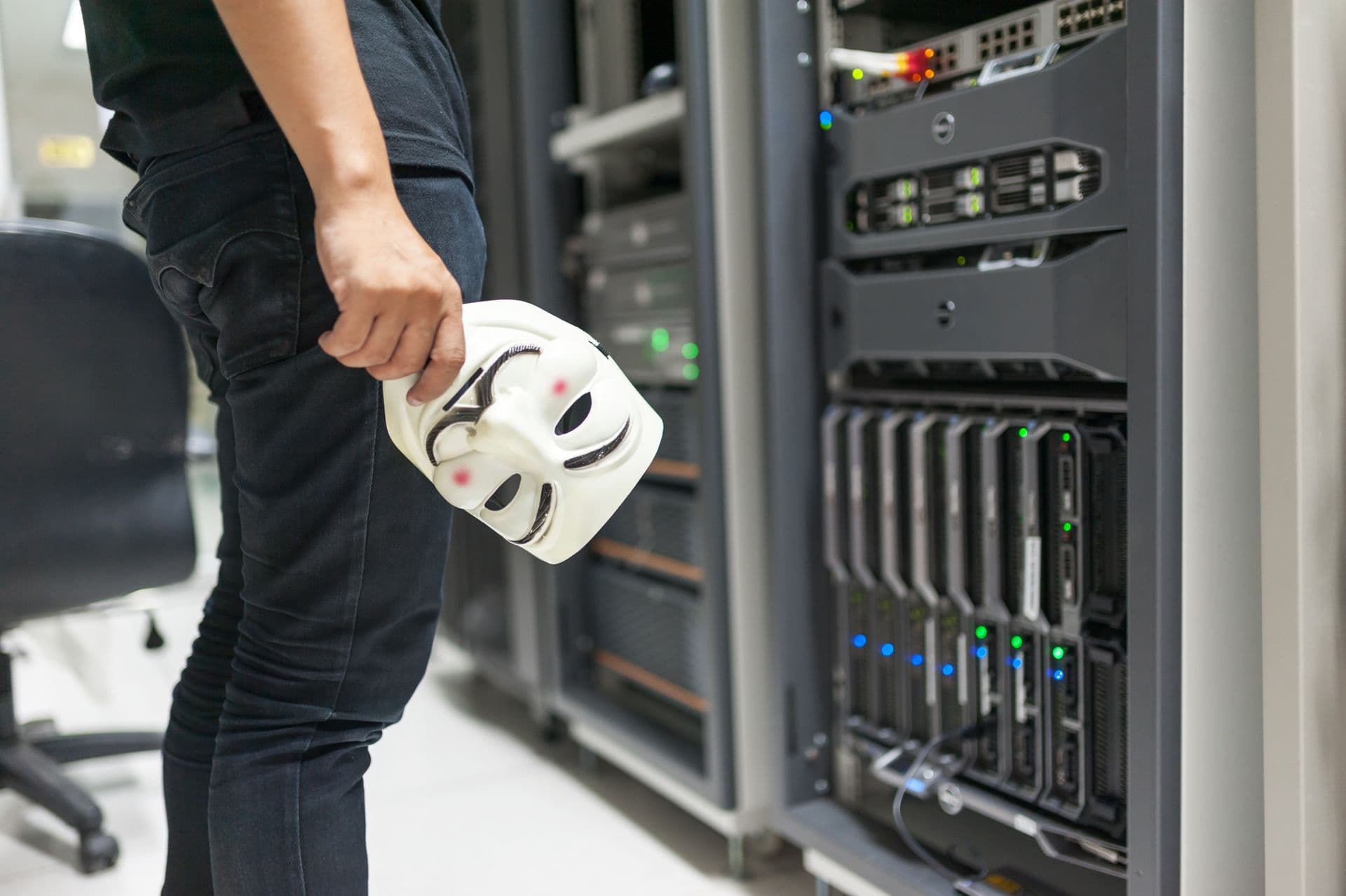
Hiring teams are already feeling the effects. Greenhouse’s 2025 AI in Hiring Report surveyed over 4,000 job seekers and hiring managers across the US and Europe. Two-thirds of US hiring managers reported catching applications using AI deceptively, either reading from scripts in interviews, hiding prompt injections in CVs, or even using deepfakes. Nearly three-quarters said they worry more about fake credentials now than they did a year ago.
Gartner projects that by 2028, 1 in 4 candidate profiles worldwide could be fake. Meanwhile, 6% of candidates in a 3,000-person survey admitted to interview fraud, like having someone else proxy for them on camera.
In 2024, KnowBe4 – a cybersecurity company whose entire job is catching scams – hired a software engineer who passed background checks, reference calls, and four video interviews. He turned out to be a North Korean operative using a stolen US identity and an AI-altered photo, caught only after loading malware onto his company laptop.
When security companies get tricked during the interview process, a normal PDF resume doesn’t stand a chance.
What really matters?
Portfolios worked as a hiring proxy because execution was expensive. That cost was a natural filter. Only someone with actual skill could show the work, and effort was scarce.
AI flips that on its head; execution is now cheap. Even the AI labs building these systems admit it: Anthropic’s AI-native SDLC Playbook explicitly states that “code is no longer the bottleneck.”
A clean codebase only tells you that someone produced it, not that the person who created it understands it. When a hiring manager looks at a repo, it’s impossible to tell where the human reasoning ends, and the AI pattern-matching begins. Most of the time, the candidate doesn’t even know where that line is either.
The scarce resource has now moved. It’s no longer “Can you produce this?” It’s “Do you actually understand what you produced, and can you fix it when it breaks?”
How can we prove it?
Three kinds of evidence can be used to fill the “trust void”:
Supervised Certifications
Hands-on exams like Kubernetes CKA prove something narrow but undeniable: a real person solved practical problems under strict, controlled conditions. By forcing candidates to resolve 15 to 20 live command-line tasks in just two hours – complete with identity verification and active monitoring – the CKA establishes a definitive baseline. While standard multiple-choice tests are easily cheated using leaked answer keys, performance-based exams prove a critical truth: this person actually exists, and they did the work.
Process over Product
Instead of evaluating the final deliverable, hiring teams are digging into how it got made. Why this architecture? What failed first? Where did the model hallucinate, and how did you catch it? A polished repo is easy to prompt. A coherent history of decision-making is much harder. Commit histories, architectural notes, and write-ups of dead ends are becoming the new “portfolio”.
Document your process – because the logic behind your decisions is now worth more than a flawless final product.
Live Defensibility
Interviews are shifting from writing fresh code to taking existing systems apart. Instead of building from scratch, candidates are now asked to find security flaws, spot edge cases, or diagnose memory leaks under load. AI-generated code is dangerous precisely because it looks plausible. It compiles smoothly and looks great, only to fail subtly in production. In this new landscape, the true skill isn’t generating code; it is being the person who can spot those hidden flaws.
What this means
If you’re hiring, stop treating artefacts as proof. Use them as conversation starters to probe the candidate’s real reasoning.
If you’re job hunting, polish isn’t a differentiator anymore; it’s just admission. What sets you apart is visible judgment: the trade-offs you chose, the decision logs you kept, and the bugs you caught before pushing to production.
The artefact used to be the proof. Now you are.
References
- Greenhouse (2025). An AI Trust Crisis: 70% of Hiring Managers Trust AI to Make Faster and Better Hiring Decisions, Only 8% of Job Seekers Call it Fair. Press release on the 2025 AI in Hiring Report.
- Gartner (2025). Gartner Predicts 1 in 4 Candidate Profiles Will Be Fake by 2028. Reported by Carolyn Crist, HR Dive (August 8, 2025).
- KnowBe4 / CyberScoop (2024). Cyber firm KnowBe4 hired a fake IT worker from North Korea. Reported by Matt Bracken, CyberScoop (July 24, 2024).
- The Linux Foundation. Certified Kubernetes Administrator (CKA) Documentation & Exam Instructions. Training & Certification Documentation.
- Anthropic (2026). The AI-Native SDLC Playbook: How teams plan, design, build, test, deploy, and maintain software with Claude. Anthropic Engineering Blog.